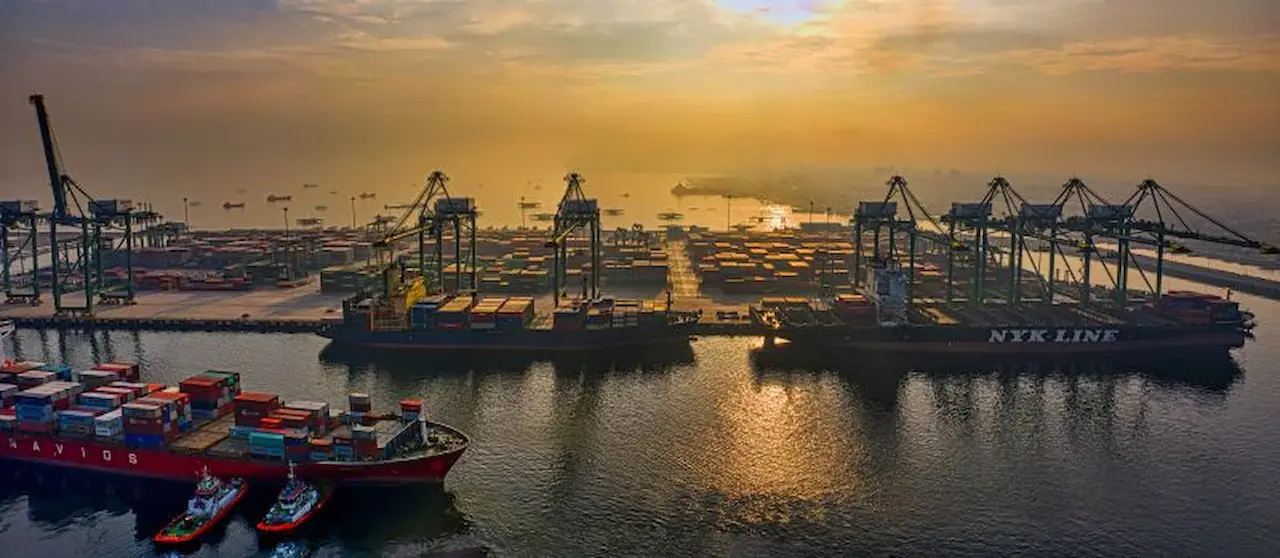
Logistics is the backbone of maritime supply chains: it orchestrates flows, shortens lead times and ensures cargo arrives in full and on time. Planning, visibility and collaboration among stakeholders are critical to productivity.
Pillars of effective logistics
- Planning of routes, windows and resources based on demand.
- Visibility of milestones and exceptions in real time.
- Coordination among carriers, ports, depots and inland transport.
Enabling technology
TMS, PCS and digital tracking tools help anticipate congestion, optimize slots and reduce costs. Data turns into better decisions and improved customer service.
Tangible outcomes
- Shorter cycle times and lower operational costs.
- Less demurrage and waiting due to poor coordination.
- Higher delivery reliability and documentation traceability.
Key players in the maritime logistics chain
- Carrier: manages sea transport and container availability.
- Shipping agent: represents the carrier at port and coordinates the vessel's call.
- Freight forwarder / NVOCC: organizes door-to-door transport.
- Port operator: handles loading, discharge and terminal storage.
- Inland carrier: connects the port to the origin or final destination.
Common challenges
- Port congestion and terminal bottlenecks.
- Container shortages on certain trade lanes.
- Incomplete documentation causing customs delays.
- Lack of real-time visibility between supply chain actors.